PORTFOLIO — WEB LOCALIZATION FOR JAPAN

Translation isn’t localization.

A site can be flawlessly translated into Japanese and still read as foreign — quietly costing trust and conversion. Below is the same skincare page in three states. The content never changes; only the design does.

“A Japanese font that’s just inherited from your English one isn’t a small thing — it’s a signature. It means no one who reads your customers’ language ever touched your site. And if the type is foreign, the design is too — they come from the same knowledge.”
01

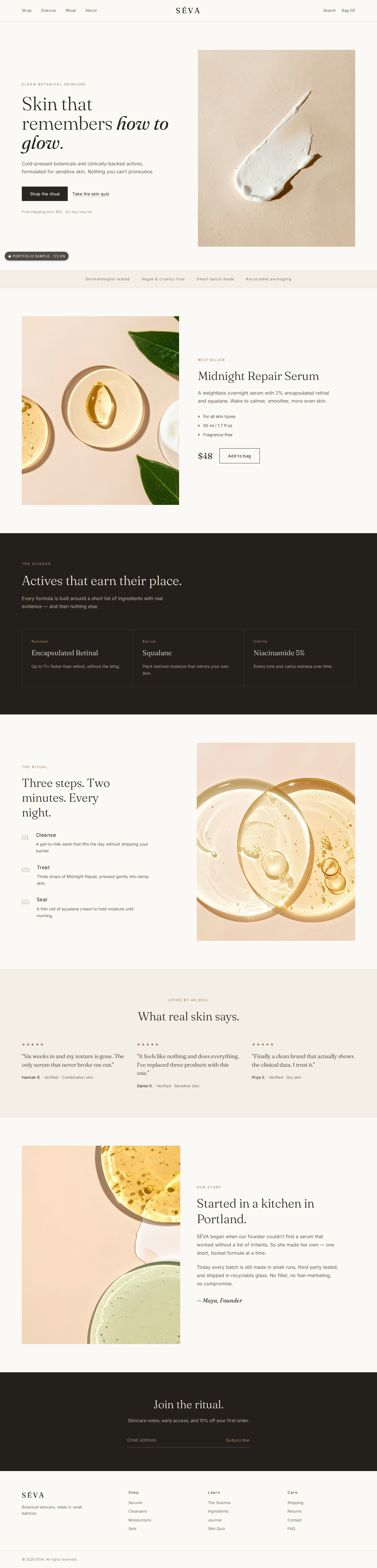
Original (English)

The English site — clean, considered, built for a Western audience.

View the live page →
Original (English)
02

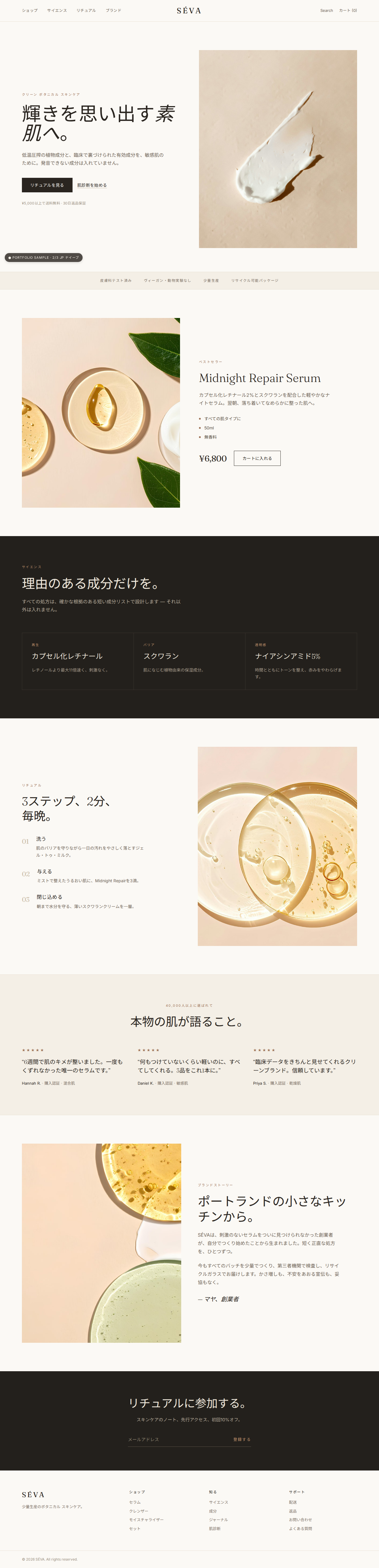
Just translated

Japanese text poured into the same design. The type is inherited (not set for Japanese), and the layout offers none of the density or social-proof cues Japanese buyers expect. This is what “just translate it” actually ships.

View the live page →
Just translated
03

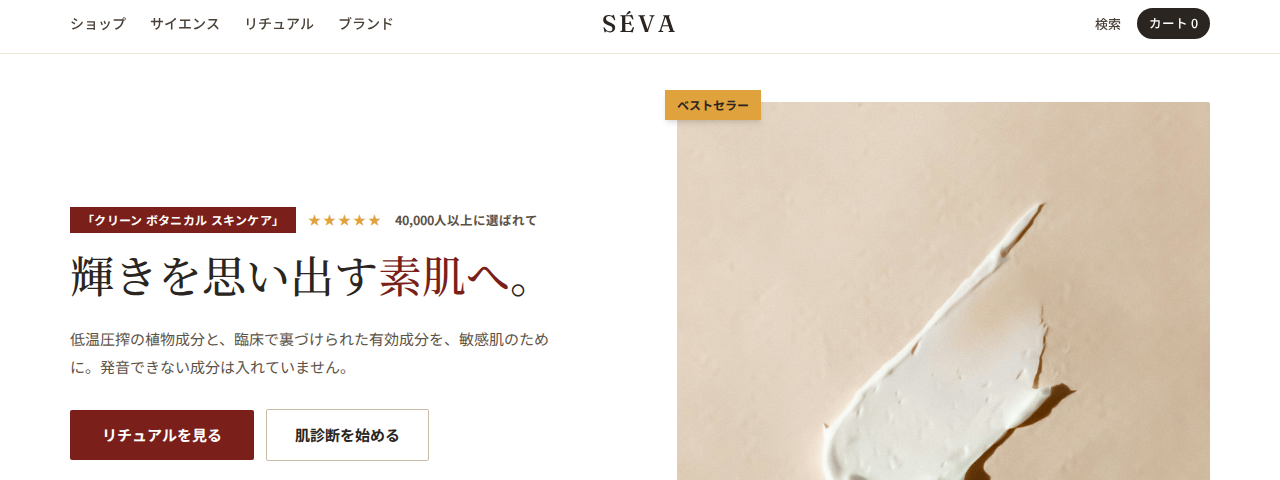
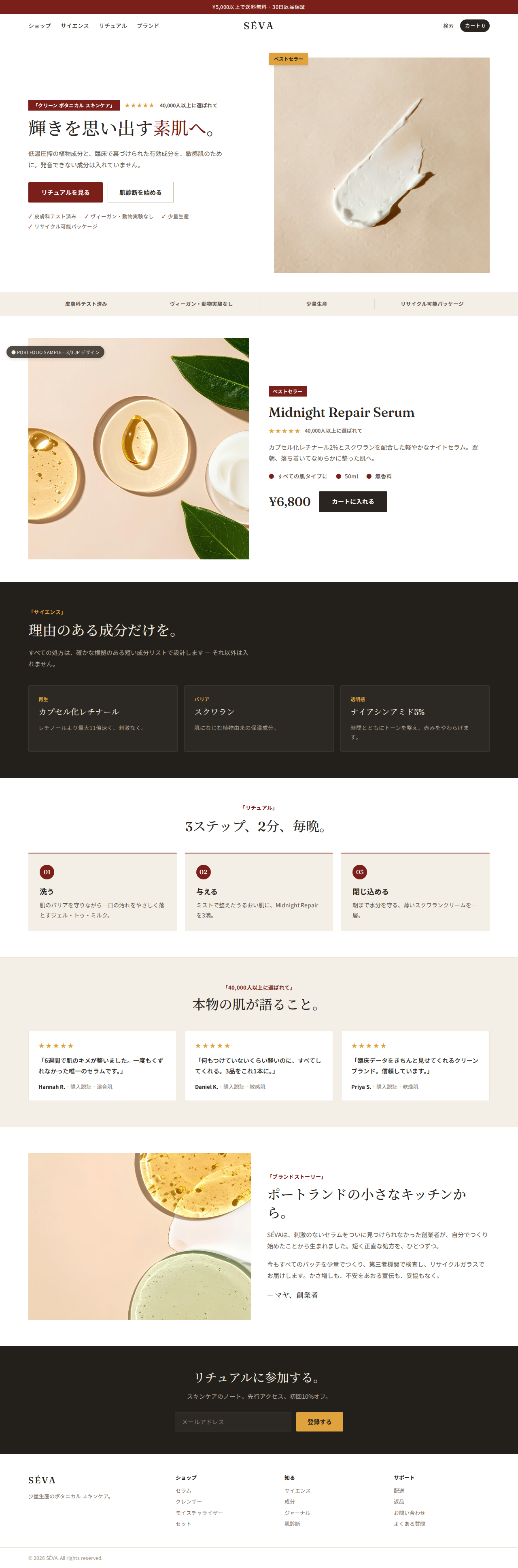
Localized

Rebuilt to Japanese conventions — same content, native structure: a denser rhythm, ★ ratings and trust up front, a Mincho/Gothic pairing set for Japanese.

View the live page →
Localized

Scroll each panel, or click to open full size.
THE SIGNATURE MOST BUYERS CAN’T READ

You can’t judge Japanese type — but you can run one test.

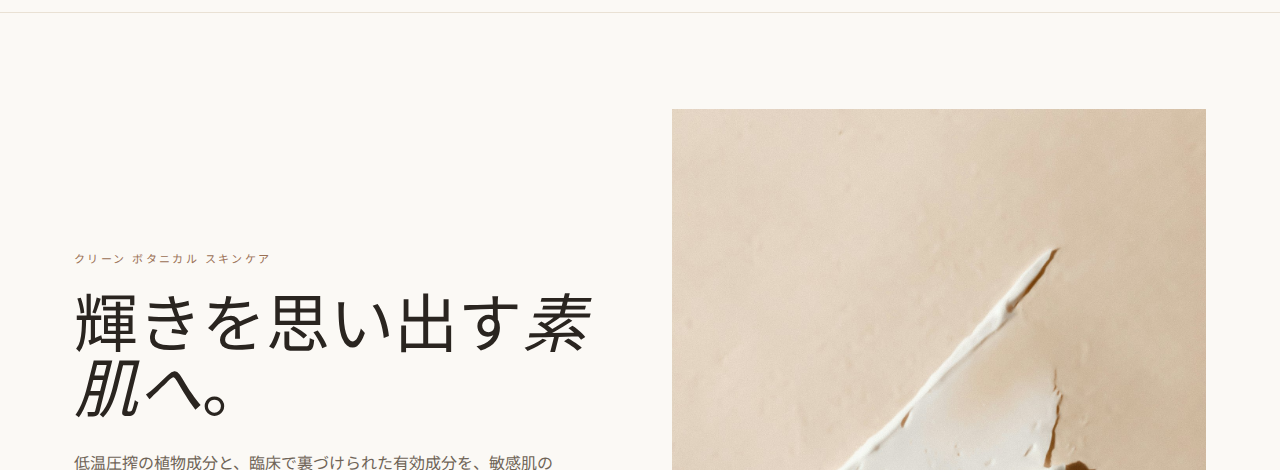
Is your Japanese text designed, or just your English font with Japanese characters dropped in? It isn’t about an ugly font — it’s the tell of whether anyone who knows Japan ever set it.

Inherited Japanese type

Inherited

Latin metrics and a synthetic slant no Japanese typeface uses. Technically readable — but no one set it for Japanese.

Japanese type, set with intent

Set for Japanese

A Gothic body paired with a Mincho accent, proper weight and spacing, emphasis carried by color. The type was chosen, not inherited.